
Deciding to try for a baby is exciting—and often emotional. For many women, it’s the first time they pause to ask: Is my body ready? Is our life ready? What should I actually do before we start trying?
This post is not about pressure or perfection. It’s about giving yourself a calm, informed starting point—so when you do begin trying, you feel supported rather than scrambling. If you’re feeling overwhelmed already, you’re not alone—this phase can bring up a lot emotionally. I shared some of the most helpful TTC affirmations that helped me stay grounded during this time.
Most people don’t realize that what you do before trying to conceive can impact egg quality, hormone balance, and even how long it takes to get pregnant.
Below are the most important areas to consider before you start trying to conceive, based on medical guidance, practical lifestyle shifts, and what actually helps women feel prepared.
Before I started trying to conceive in my 30s, I kept thinking I needed more information.
More research. More “perfect” habits.
What I actually needed was a clear plan.
Not something overwhelming or rigid — just a simple way to know what mattered and what didn’t.
That’s exactly why I created my 10-Week Pregnancy Preparation Guide — to take everything you’re about to read and turn it into a step-by-step path you can actually follow in real life.
→ You can explore the guide here if you want everything mapped out for you.

Many of these ideas fit into the zero trimester, or the season before pregnancy. You can explore the full framework inside my Pregnancy Prep Hub.
1. Schedule a Preconception Visit (ACOG Recommendation)
The American College of Obstetricians and Gynecologists (ACOG) recommends a preconception health visit before you start trying to conceive. This is not just for women with known health issues—it’s for anyone planning pregnancy.
A preconception visit may include:
- Reviewing your medical history and medications
- Discussing cycle regularity and timing
- Checking vaccination status
- Screening for conditions that could affect pregnancy
- Starting or adjusting prenatal vitamins (especially folic acid)
Think of this appointment as information-gathering, not a test you can fail. Many women find it reassuring and empowering because it gives you clarity instead of guesswork.
2. Revisit Your Nutrition (Without Diet Culture)
Before pregnancy, your body is quietly doing important work—supporting hormone balance, ovulation, and early cellular development. Nutrition plays a role, but it does not need to be extreme or restrictive.
This is a good time to:
- Focus on whole, minimally processed foods
- Ensure consistent protein, healthy fats, and complex carbohydrates
- Support micronutrients commonly discussed in preconception (iron, folate, choline, omega-3s)
Rather than overhauling everything at once, many women find success by:
- Simplifying meals
- Repeating nourishing staples
- Planning groceries with intention
If helpful, I’ve shared a fertility-friendly grocery list and easy Trader Joe 4-Ingredient Fertility Meal Ideas that focus on practical, non-medical food choices that support this season of life. They’re designed to reduce mental load—not add to it.
3. Set Yourself Up With Supportive Kitchen Tools
This may sound small, but it matters more than people expect.
When energy dips, motivation fluctuates, or nausea eventually enters the picture, having simple, reliable tools can make nourishing yourself much easier.
A few kitchen items many women find helpful during TTC and pregnancy prep:
- A programmable slow cooker (easy meals with minimal effort)
- Glass food storage for leftovers and prep
- A food thermometer for safely cooking proteins
- Basic prep tools that make vegetables and meals faster to assemble
I’ve shared my favorite kitchen tools for TTC and pregnancy prep in a separate post, with items chosen specifically to reduce decision fatigue when it comes to preconception planning.
4. Look at Your Life, Not Just Your Body
Trying to conceive is not only a biological decision—it’s a life one.
Before you start, consider:
- Where stress tends to show up in your day
- Whether your schedule allows for rest and flexibility
- What support systems you already have (or want to build)
You do not need everything “figured out.” You do deserve to enter this season of preconception planning feeling steady and informed.
If you’re starting to feel overwhelmed, I put everything into a simple step-by-step plan you can follow.
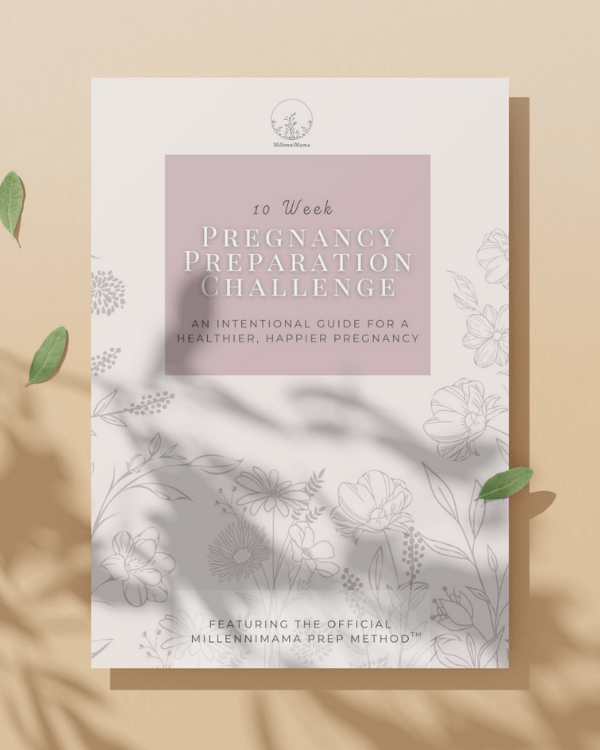
MillenniMama Prep Method™
10 Week Pregnancy Preparation Challenge
An intentional, step-by-step guide to help you feel calmer, more prepared, and supported before your first positive test.
- Weekly focus + simple actions
- Mindset, routines, and practical prep
- Made for busy, real-life women
Instant digital download.
5. Gently Educate Yourself (Without Over-Researching)
There is a wide gap between being prepared and being overwhelmed.
Many women benefit from:
- A single, trusted resource
- A clear timeline of what matters before pregnancy
- Guidance that blends medical best practices with real-life motherhood realities
This is exactly why I created my Pregnancy Prep Guide—to bring everything together in one place without fear-based messaging or unrealistic expectations.
It’s designed for women who want to:
- Feel confident before trying
- Understand how to prepare without obsessing
- Enter pregnancy informed, calm, and supported
If you want a simple, step-by-step way to prepare before trying to conceive, my Pregnancy Prep Guide brings everything together in one calm, supportive place.
💛 What Your Partner Should Do Before Trying to Conceive
One of the most overlooked parts of preparing for pregnancy?
Your partner.
It’s easy to feel like everything falls on you—but fertility is shared, and your partner’s health plays a significant role in conception, pregnancy outcomes, and even your future baby’s health.
In fact, sperm quality contributes to about 50% of fertility outcomes, which means this is something you should be preparing for together.
🧠 Start with Honest, Low-Pressure Conversations
Before you even begin trying, it’s important to get on the same page—not just logistically, but emotionally too.
You might be thinking about:
- timing
- tracking ovulation
- lifestyle changes
…but your partner may still be processing the idea of becoming a parent.
That doesn’t mean they’re not ready—it just means they may need a different kind of conversation.
If you’re not sure how to approach this, I walk through it step-by-step in my guide on TTC conversations with your partner, including what to say (and what not to say) so you both feel supported.
🥗 Support Sperm Health (Without Overcomplicating It)
Just like egg quality, sperm health responds to lifestyle changes—often within a few months.
Simple, realistic shifts can make a meaningful difference:
- Prioritize whole, nutrient-dense foods
- Reduce alcohol and smoking
- Improve sleep quality
- Manage stress
- Avoid excessive heat (like hot tubs or laptops directly on the lap)
You don’t need perfection here, just consistency.
If you’re already focusing on nutrition, these TTC-friendly meals are an easy way to support both of you without cooking separate meals.
🤝 Approach This as a Team (Not a Solo Journey)
It’s completely normal to feel like you’re carrying more of the mental load at first, but bringing your partner into the process early can make a huge difference.
That might look like:
- sharing what you’re learning
- involving them in small decisions
- or simply letting them know how you’re feeling
You don’t need them to understand everything—you just need them to understand you.
💡 If You Want This to Feel Simpler…
This is exactly why I created my step-by-step prep guide—to take all of these moving pieces and turn them into a clear, manageable plan for both of you.
Instead of guessing what matters most, you’ll know exactly what to focus on (and what you can let go of).
Save this pin to make sure you have it for your preconception planning.

✅ Preconception Checklist You Shouldn’t Skip
- Start a prenatal vitamin, after discussing with your doctor
- Track your cycle
- Improve sleep
- Reduce alcohol + caffeine
- Focus on whole foods
- Have a conversation with your partner
- Schedule a preconception appointment
Want this in a printable step-by-step format? Grab the free prep guide here.
❓ Frequently Asked Questions About Preparing for Pregnancy
How long should you prepare before trying to conceive?
Most experts recommend at least 3 months, since egg development cycles take about 90 days.
What should I do before trying to get pregnant?
Focus on:
- prenatal vitamins
- cycle tracking
- nutrition
- reducing toxins
- managing stress
Can I improve egg quality before trying to conceive?
Yes—while genetics play a role, lifestyle changes like diet, sleep, and supplements can support egg health.
Should my partner prepare before TTC too?
Absolutely. Sperm quality contributes to about 50% of fertility outcomes, so both partners should prepare when considering what to do before trying for a baby.
Final Preconception Planning Thoughts
Preparing to try is not about becoming a different person—it’s about meeting yourself where you are and adding support.
Whether that means:
- Booking a doctor’s visit
- Planning simpler meals
- Swapping in tools that make life easier
- Or learning what truly matters (and what doesn’t)
Trying to conceive can feel overwhelming, but it doesn’t have to be. If you want to feel confident, prepared, and supported every step of the way, this free guide walks you through exactly what to do (and what actually matters).
When you are wondering how to prepare for pregnancy, you are allowed to approach this season with thoughtfulness and ease.
If I could go back to the beginning of my TTC journey, I wouldn’t try to piece everything together on my own.
I’d follow a simple plan that supports my body, my routines, and my peace — all at the same time.
That’s what I created inside the Pregnancy Prep Guide.
Not more information — just a clear, grounded way to move through this season.
→ You can start here whenever you feel ready.
Want to See the Full Pregnancy Prep Framework?
This post is part of my Pregnancy Prep Hub—a calm, organized space where I walk you through gentle preparation for your mind, body, home, and heart before pregnancy begins.
👉 Visit the Pregnancy Prep Hub
Other Preconception Planning Posts you May Love
- Easy Low/No-Tox Home Swaps
- The Fertility Friendly Grocery List
- Favorite Kitchen Items for TTC You’ll Use in Pregnancy Too
- TTC Self Care that Actually Works

Leave a Reply