This post contains affiliate links. If you buy through one of these links, I may earn a commission at no additional cost to you. As an Amazon Associate, I earn from qualifying purchases.
Educational information only. This post shares general wellness information and personal experience; it is not medical advice and is not a substitute for care from a qualified healthcare professional. Talk with your clinician before changing your diet, supplements, medications, exercise, or personal-care routine, especially if you are trying to conceive, pregnant, postpartum, breastfeeding, managing a health condition, or receiving fertility treatment. Foods, products, routines, and digital guides discussed here are not intended to diagnose, treat, cure, or prevent infertility or any disease, and they cannot guarantee conception, pregnancy, or a particular health outcome. Individual needs and results vary.
Trying to conceive can feel exciting… and overwhelming.
Should you start prenatal vitamins now? Change your diet? Detox your home? What actually matters before pregnancy?
The good news is you don’t need to change everything overnight.
In fact, the best preparation for pregnancy happens gradually. Three to six months before trying can be a useful planning window for clinician conversations and sustainable wellness habits, and your overall physical and emotional readiness.
Think of it as building the foundation for a healthy pregnancy.
When my husband and I began preparing for pregnancy, I focused on two things that made the biggest difference:
• Reducing toxins and switching household products
• Building healthier movement and exercise habits
Those changes didn’t just help during pregnancy. Because we made them before trying to conceive, the habits stuck through pregnancy and postpartum too.
Instead of scrambling to change everything once you’re pregnant, your systems are already in place.
Here’s how to approach the 3–6 month preconception timeline naturally and realistically.
Many of these ideas fit into the zero trimester, or the season before pregnancy. You can explore the full framework inside my Pregnancy Prep Hub.

Why the 3–6 Month Window Matters
There’s a biological reason experts recommend starting preparation a few months before trying.
Eggs and sperm both develop over time.
- Eggs take about 90 days to mature
- Sperm also regenerate roughly every 74–90 days
That means the choices you make today influence the egg and sperm quality in the months ahead.
Small improvements during this window can support:
- hormone balance
- egg quality
- sperm quality
- nutrient stores
- healthy implantation
- overall pregnancy readiness
It’s not about perfection.
It’s about stacking small positive changes over time.
The 3–6 Month Preconception Timeline
6–4 months before trying
- Reduce toxins
- Improve environment
- Build exercise habits
4–2 months before trying
- Improve nutrition
- Begin cycle tracking
2–0 months before trying
- Partner preparation
- Emotional readiness
If you want a printable version of this timeline, you can download the free Preconception Preparation Checklist below.

Month 6–4 Before Trying: Build the Foundation
At this stage, focus on simple system changes that make healthy choices easier.
Reduce toxins in your home
If you want to reduce exposure to specific substances, use authoritative safety guidance and discuss occupational or household concerns with a clinician.
This doesn’t mean throwing everything away overnight. Instead, slowly replace products as you run out.
Focus on swapping:
- cleaning products
- cookware and food storage
- skincare and beauty products
- plastic food containers
- fragrances and candles
These small changes reduce exposure to endocrine disruptors that may interfere with hormone balance.
When we started making these swaps in our home, it made pregnancy feel much less stressful later because the environment around us had already changed.
Build consistent movement habits
Exercise before pregnancy helps your body build strength and metabolic health.
You don’t need intense workouts.
Focus on consistency:
- walking
- strength training
- yoga or mobility
- light cardio
The goal is simply to build movement as a normal part of your routine.
When pregnancy symptoms arrive, you’ll already have the habit.
Month 4–2 Before Trying: Support Nutrition and Hormones
Once your environment and habits are improving, begin focusing on nutrition and nutrient stores.
Prioritize nutrient-dense foods
Certain nutrients are especially important before pregnancy.
Focus on foods rich in:
- folate
- choline
- omega-3 fats
- iron
- zinc
- vitamin D
Whole foods like:
- eggs
- leafy greens
- salmon
- avocados
- beans
- berries
- pasture-raised meats
support both fertility and early fetal development.
You can also explore fertility-supportive recipes like the ones in my post on
TTC-friendly Trader Joe’s recipes.
Start cycle tracking
Understanding your cycle before trying can make conception much easier.
Many women begin tracking ovulation and hormone patterns during this stage.
Tools I personally used included:
- Mira hormone tracker
- Mira basal thermometer
- Fitbit for cycle insights
Tracking helped me understand my cycle patterns and timing much better, which made the TTC process feel far less stressful.
A Simple 90-Day Preconception Checklist
If you’re planning to try for a baby soon, here are a few simple things you can start today:
✔ Begin tracking your menstrual cycle
✔ Improve sleep and stress habits
✔ Replace a few household products with low-tox options
✔ Prioritize nutrient-dense foods
✔ Start a prenatal vitamin if recommended by your provider
✔ Encourage your partner to improve sleep and nutrition
✔ Schedule a preconception checkup if needed
These small steps can make a meaningful difference over the next few months.
If you’d like a step-by-step checklist that walks you through the full 90-day preparation timeline, you can download my free Preconception Preparation Checklist here.

Month 2–0 Before Trying: Emotional and Relationship Preparation
This stage is often overlooked but incredibly important.
Trying to conceive can bring unexpected emotions, uncertainty, and pressure.
Preparing mentally and relationally makes a huge difference.
Have open conversations with your partner
Your partner may experience TTC differently than you.
Talking openly helps you support each other better.
Some helpful conversations include:
- expectations around timing
- how you’ll track cycles
- how you’ll handle stress if it takes time
- what support looks like for each of you
For us, talking through the changes we were making helped me feel supported.
Even small things like my husband naturally benefiting from the nutrition improvements and low-tox swaps in our home made TTC feel like something we were doing together.
Build habits that will last through pregnancy
The best preparation for pregnancy is building habits before pregnancy begins.
Why?
Because once you’re pregnant you may be dealing with:
- fatigue
- nausea
- emotional shifts
- new routines
If your systems are already healthy, it becomes much easier to maintain them.
That’s why making these changes early helped me carry them naturally through pregnancy and postpartum.
Common Mistakes When Preparing for Pregnancy
Many couples assume pregnancy preparation requires dramatic lifestyle changes overnight.
In reality, the most effective approach is gradual and sustainable.
Some common mistakes include:
Trying to change everything at once
When too many habits change at the same time, most people burn out quickly. Focus on small improvements that stick.
Waiting until after you’re pregnant
Many fertility-supportive changes take months to influence egg and sperm quality.
Ignoring the partner’s health
Sperm quality plays a major role in conception and early embryo development.
Only focusing on supplements
Supplements can help, but they work best when combined with supportive habits like good sleep, nutrition, and reduced toxin exposure.
The goal isn’t perfection.
The MillenniMama guides are educational planning tools, not medical services or individualized treatment plans. Purchasing or using a guide does not guarantee conception, pregnancy, or any health outcome.
It’s creating systems that support a healthy pregnancy naturally.
How to Prepare for Pregnancy Week by Week
One challenge with preconception preparation is knowing what to do first.
Trying to change everything at once can feel overwhelming.
That’s exactly why I created my 10-Week Pregnancy Prep Guide.
Instead of guessing what matters most, the guide walks you through small weekly steps that build healthy habits over time.
Inside the guide you’ll find:
- weekly preparation goals
- habit-building strategies
- emotional readiness exercises
- partner discussion prompts
- simple ways to improve your environment and routines
By the end of the 10 weeks, most women say they simply feel more prepared and confident starting their TTC journey.
If you want a structured approach to preparing for pregnancy naturally, you can explore the guide here.
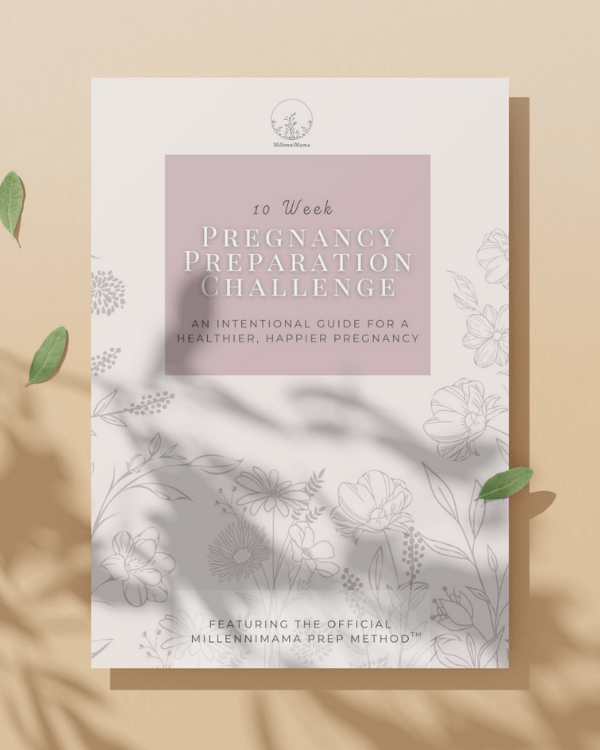
MillenniMama Prep Method™
10 Week Pregnancy Preparation Challenge
An intentional, step-by-step guide to help you feel calmer, more prepared, and supported before your first positive test.
- Weekly focus + simple actions
- Mindset, routines, and practical prep
- Made for busy, real-life women
Instant digital download.
Preparing Your Partner for Pregnancy Too
Fertility is not just about egg quality.
Sperm health plays a major role in conception and pregnancy outcomes.
The good news is many of the same habits support both partners.
Encourage your partner to focus on:
- nutrient-dense food
- regular exercise
- good sleep
- reducing alcohol and smoking
- limiting heat exposure (hot tubs, laptops on lap)
Often partners benefit simply by sharing the same healthy environment and meals.
That’s exactly what happened in our home. Many of the nutrition and low-toxin swaps we made supported both of us without needing separate routines.
Even better, having these conversations together can make the TTC journey feel like a team effort rather than something you’re carrying alone.
FAQ: Preparing for Pregnancy
How long should you prepare your body before pregnancy?
Most experts recommend preparing for pregnancy 3–6 months before trying to conceive. This allows time for egg and sperm development, nutrient replenishment, and healthy habit formation.
Can lifestyle changes improve fertility?
Healthy habits like balanced nutrition, regular exercise, good sleep, and reduced toxin exposure may support fertility and overall reproductive health.
Should both partners prepare for pregnancy?
Yes. Sperm quality plays an important role in conception and early embryo development, so both partners benefit from healthy lifestyle changes before trying to conceive.
Fertility Preparation Timeline Final Thoughts
Preparing your body for pregnancy doesn’t require a complicated plan.
It starts with a few simple shifts:
- improving your environment
- supporting your nutrition
- building movement habits
- understanding your cycle
- strengthening communication with your partner
Small changes made consistently over the 3–6 months before trying can make a meaningful difference.
And perhaps most importantly, they help you begin pregnancy already feeling supported by healthy systems around you.
Free Pre-Pregnancy Preparation Checklist (Free Download)
If you want a simple way to start preparing today, I created a free Preconception Preparation Checklist you can download.
It walks through the key steps to take in the 90 days before trying to conceive, including:
- fertility-supportive habits
- home toxin swaps
- nutrition basics
- cycle awareness tips
- partner preparation ideas
You can grab the free checklist here.
If you want a deeper step-by-step system after that, the 10-Week Pregnancy Prep Guide expands these ideas into a structured weekly plan to prepare for pregnancy naturally.
Want to See the Full Pregnancy Prep Framework?
This post is part of my Pregnancy Prep Hub; a calm, organized space where I walk you through gentle preparation for your mind, body, home, and heart before pregnancy begins.
👉 Visit the Pregnancy Prep Hub
Read These Next
Want a calmer way to organize your next steps? Start with the free Pregnancy Prep Hub for general planning resources, or preview the paid 10 Week Pregnancy Prep Guide if you want worksheets and a week-by-week structure. Neither resource provides medical care or guarantees an outcome.
Leave a Reply