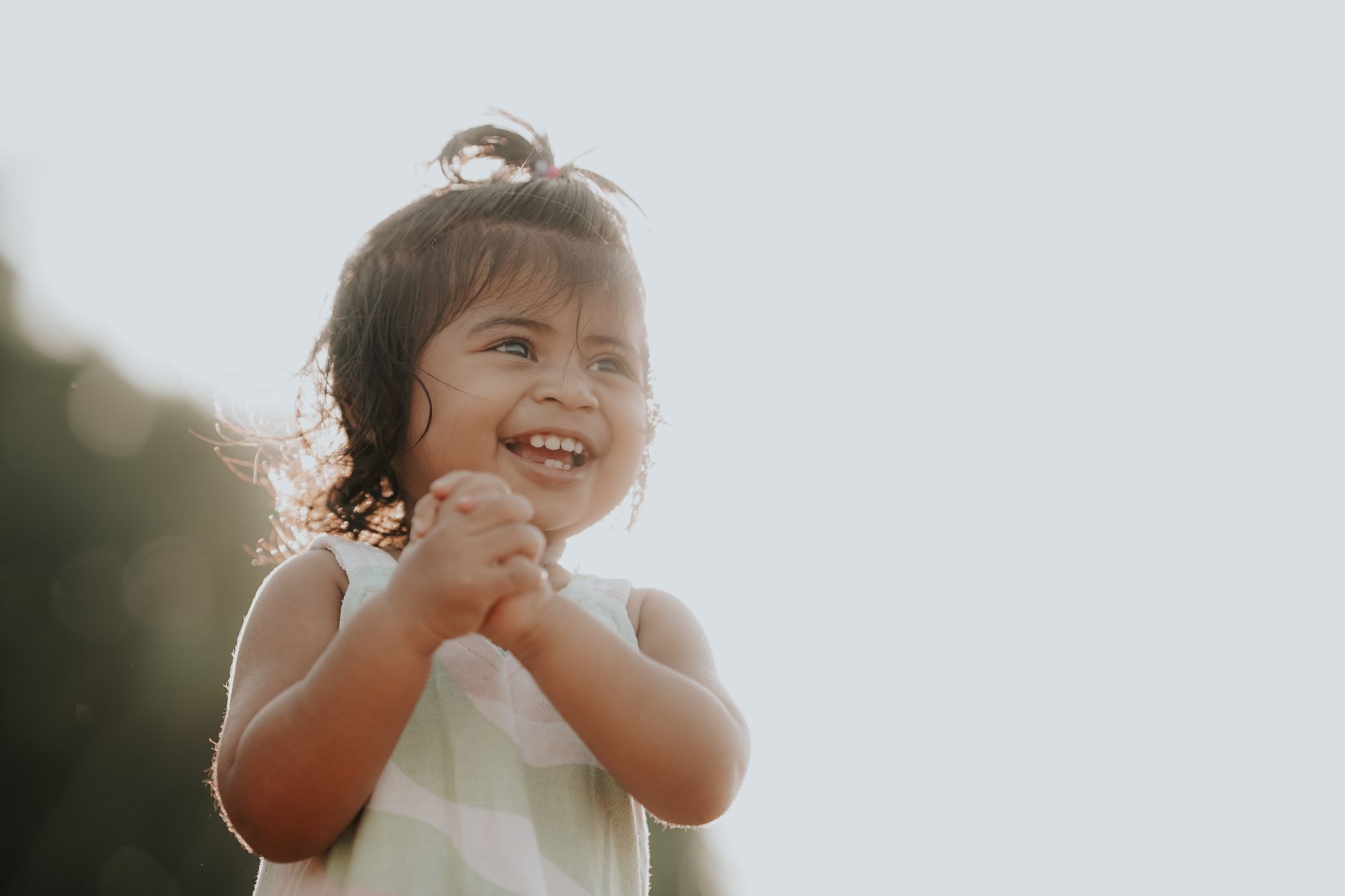
Big toddler feelings are a whole thing.
One minute they are happily stacking blocks, and the next minute the banana broke in half and life is simply too much.
And honestly? Same.
Little kids are not born knowing what to do with frustration, sadness, anger, jealousy, disappointment, or overstimulation. They are still learning how feelings feel in their bodies, what those feelings are called, and what they can do when everything feels too big.
That is why I love giving gifts that gently support emotional awareness.
Not gifts that promise to “fix” tantrums. Not gifts that expect toddlers to magically calm themselves down. Just simple, thoughtful items that give little ones more ways to name feelings, connect with a grown-up, and practice calming routines over time.
Below are some of my favorite gift ideas for babies, toddlers, and preschoolers learning about big emotions. They’re perfect for birthdays, Christmas, emotional events, or just because!
This post contains affiliate links, which means I may earn a small commission when you shop through them. As an Amazon Associate, I earn from qualifying purchases—always at no extra cost to you. Thank you for supporting MillenniMama and my family!

Quick Picks: Best Gifts for Toddlers Learning About Emotions
If you want the quick version, these are the categories I would start with:
- Best first emotion gift: Board books about feelings
- Best for very young toddlers: Emotion face toys or emotion sorting pieces
- Best calming basket item: Bubbles, pinwheels, or a calm-down bottle
- Best for pretend play: Puppets, dolls, or stuffed animals with feeling prompts
- Best screen-free reset: Music, movement scarves, or a cozy sensory basket
- Best practical gift: A small “calm corner” basket parents can keep in the living room
Why Emotion Gifts Are So Helpful for Little Kids
Little kids are still building the language and body awareness they need to understand feelings.
A toddler may not be able to say, “I am disappointed because I wanted the blue cup,” but they can often point to a sad face, hug a stuffed animal, stomp their feet, blow bubbles, or sit with a grown-up and listen to a story.
That is the kind of support I look for in emotional learning gifts.
The goal is not independent emotional regulation overnight. The goal is to create small, repeatable moments where a child can start to notice:
- “This feeling has a name.”
- “My grown-up understands me.”
- “There are gentle things I can try when I feel overwhelmed.”
- “Feelings come and go.”
For little ones, these gifts are most helpful when they are used with a calm, connected grown-up.
1. Books About Big Feelings
Books are my favorite starting point because they make feelings visible without putting your child directly on the spot.
A good feelings book gives you language to use later, especially during those toddler moments when everyone is a little overstimulated.
Some sweet options to consider:
- The Rabbit Listened
- Grumpy Monkey
- Nubby
- The Feelings Book
- A Little SPOT of Emotion books
- In My Heart
- Today I Feel Silly
- The Color Monster
- I Am Human
- Breathe Like a Bear
Why books work well
Books let children see emotions from the outside first.
Instead of saying, “You are angry,” which may or may not land well in the moment, you can talk about the character:
“Rabbit looks sad.”
“Monkey’s body looks grumpy.”
“She needed someone to listen.”
“That feeling got really big.”
Then later, when your toddler has a big feeling, you can gently connect it back:
“This feels a little like the bunny in our book. I’m here with you.”
Best for
Books are especially helpful for toddlers and preschoolers who love story time, bedtime routines, or looking at pictures together.
Not ideal if
Your child is in a phase where they tear paper pages. In that case, start with sturdy board books.
2. Emotion Face Toys
Emotion face toys are a really fun option for very little ones because they do not require a lot of language.
I have emotion mushrooms with little faces, and I love that babies and toddlers can start by simply noticing the expressions.
You can say:
- “This one looks happy.”
- “This one looks surprised.”
- “This one looks mad.”
- “Can you find the sad mushroom?”
- “Which face feels like you right now?”
You can also use them during pretend play:
“The angry mushroom wants a turn.”
“The sad mushroom needs a hug.”
“The happy mushroom is dancing.”
Look for:
- Emotion mushrooms
- Emotion eggs
- Wooden feeling blocks
- Emotion sorting toys
- Feelings matching games
- Soft emotion dolls
- Face puzzle sets
- Emotion flash cards for toddlers
Best for
Emotion face toys are great for toddlers who like sorting, matching, carrying little objects around, or playing pretend.
Not ideal if
The pieces are small enough to be a choking concern for your child’s age or stage. Always check product age recommendations and supervise play.

3. Calm-Down Bottles or Sensory Jars
Calm-down bottles are one of those gifts that feel simple but can be really useful in a toddler home.
They are not magic, and they do not stop a meltdown on command. But they can give a child something visual and soothing to watch with you.
You can use simple language like:
“Let’s shake it and watch the glitter settle.”
“We can sit together while it moves.”
“Your body feels busy. Let’s look at this for a minute.”
Consider:
- Pre-made calm-down bottles
- Emotion sensory bottles
- Glitter sensory jars
- Liquid motion bubblers
- Sand timers
- Rainmaker toys
- Sensory tubes
Best for
These are great for calm corners, quiet time baskets, bedtime wind-down, or children who enjoy visual sensory play.
Not ideal if
Your child throws hard objects when upset. In that case, choose soft calming tools instead, or keep bottles for supervised calm moments rather than active meltdowns.
Shop the Full Toddler Emotions List
I’ve gathered some of my favorite items that can help toddlers learn about big emotions. See the list on my Amazon Storefront.
4. Bubbles
Bubbles are one of my favorite sneaky calm-down tools.
They feel like play, but they naturally invite slow breathing.
For little kids, I would not over-explain it. Just blow bubbles together.
You can say:
“Big breath in. Slow blow out.”
“Let’s see if we can make one giant bubble.”
“Can you blow gently?”
Gift ideas
- Bubble wands
- Spill-resistant bubble cups
- Bubble machine for outside play
- Mini bubbles for party favors
- Bubble bath, if appropriate for your child’s skin
- Bubble kazoo-style toys
Best for
Bubbles are great for outdoor resets, bath time, sensory play, and toddlers who like cause-and-effect toys.
Not ideal if
Your child tends to dump liquids immediately. A spill-resistant bubble container may be worth it.
Pro Mama Tip: Out with no bubbles on hand? I invite my son to “smell the flowers” with a big breath in through our noses and “blow out the candle” with a big breath out of our mouths.
5. Pinwheels
Pinwheels are another playful way to practice slow blowing.
They are inexpensive, colorful, and easy to add to a calm basket, Easter basket, birthday gift, or stocking.
You can model:
“Watch Mommy blow slowly.”
“Can you make it spin?”
“Let’s try a tiny breath.”
“Now a big breath.”
Best for
Pinwheels are great for toddlers and preschoolers who enjoy movement, color, and simple cause-and-effect play.
Not ideal if
Your child is still mouthing everything or likely to bend and chew the plastic pieces. Use supervision and check age recommendations.
Working on potty training? See how pinwheels can help in my toddler potty training post.
6. Puppets for Feelings Practice
Puppets are such an underrated emotional learning gift.
Sometimes toddlers will tell a puppet things they are not ready to say directly to a grown-up. A puppet also lets you model social situations in a low-pressure way.
You can try:
“Bear feels mad because his tower fell.”
“Bunny is sad. What could help Bunny?”
“Doggy wants a turn. What can Doggy say?”
“Monkey is feeling nervous. Can we sit with Monkey?”
Gift ideas
- Animal hand puppets
- Finger puppets
- Family puppets
- Emotion puppets
- Soft dolls
- Stuffed animals with simple feeling cards
Best for
Puppets are great for pretend play, sibling transitions, bedtime resistance, sharing practice, and children who love characters.
Not ideal if
Your child gets overstimulated by too much pretend play right before bedtime. Use these earlier in the day.
Shop the Full Toddler Emotions List
I’ve gathered some of my favorite items that can help toddlers learn about big emotions. See the list on my Amazon Storefront.
7. Stuffed Animals With Feeling Prompts
A stuffed animal can become a very sweet comfort object, especially when paired with simple feeling language.
You do not need anything fancy.
A soft bunny, bear, dog, monkey, or doll can become the “feelings friend” your child checks in with.
Try:
“Bear had a hard day.”
“Bear needs a squeeze.”
“Bear is feeling worried.”
“Can Bear sit with you while you calm down?”
Look for
- Warmable plush animals, if age appropriate
- Soft dolls
- Character plush from favorite feelings books
- Stuffed animals paired with a matching book
Best for
This is a good fit for children who love nurturing play, bedtime comfort, or carrying a favorite lovey.
Not ideal if
Your child is under the recommended age for the product. Always follow safe sleep guidance and product age recommendations.
8. Feelings Flash Cards or Matching Games
Feelings cards or activity sets are helpful because they give children a visual way to identify emotions.
For younger toddlers, I would keep it very simple:
“Happy.”
“Sad.”
“Mad.”
“Scared.”
“Surprised.”
For older toddlers and preschoolers, you can expand:
“Frustrated.”
“Disappointed.”
“Proud.”
“Jealous.”
“Calm.”
“Excited.”
Ways to use them
- Put a few cards in a calm corner
- Let your child pick how they feel
- Match emotion faces
- Use cards during story time
- Use cards with dolls or puppets
- Keep one on the fridge as a daily check-in
Best for
These work well for preschoolers, verbal toddlers, and children who enjoy matching games.
Not ideal if
Your child is too young to engage with cards. In that case, start with emotion toys or books instead.
9. Breathing Balls
A breathing ball is a small expandable sphere that opens and closes.
You can use it to model breathing without making the activity feel too serious.
Open the ball: breathe in.
Close the ball: breathe out.
For toddlers, I would keep it playful and short. Even one or two breaths is practice.
Best for
Breathing balls are great for preschoolers, older toddlers, and parents who want a visual way to model calming breaths.
Not ideal if
Your child is likely to pinch their fingers or break small pieces. Check the product design and supervise use.
10. Cozy Calm Corner Basket
Instead of gifting one item, you can create a small calm corner basket.
This is one of my favorite gift ideas because it feels thoughtful and practical.
You could include:
- One feelings board book
- One soft stuffed animal
- One calm-down rainmaker
- One pinwheel
- One sensory bottle
- One emotion toy or card set
- One cozy blanket
- One small basket
This is such a good birthday, holiday, or “new sibling transition” gift.
Best for
This is ideal for families who want a simple, screen-free reset space without setting up a whole Pinterest-perfect calm corner.
11. Music and Movement Gifts
Sometimes big feelings need movement before quiet.
That is why I love including a few movement-friendly gifts in an emotions gift guide.
Ideas include:
- Dance scarves
- Egg shakers
- Rhythm sticks
- A small drum
- A toddler music player
- Yoga cards for kids
- Animal movement cards
- A soft indoor stepping stone set
You can use these for “shake it out” moments:
“Let’s stomp like dinosaurs.”
“Let’s shake the angry feeling out.”
“Let’s move fast, then move slow.”
“Let’s do three bear breaths.”
Best for
These are great for toddlers who calm better through movement than sitting still.
If your little one loves music, see my list of favorite music toys for babies and toddlers who enjoy music.
12. Art Supplies for Feelings
Art can give little kids a way to express feelings without needing perfect words.
Simple options include:
- Chunky crayons
- Dot markers
- Washable paint sticks
- Finger paint
- Sticker faces
- Emotion coloring books
- Reusable drawing boards
- Play dough
You can say:
“What color is your feeling?”
“Can you draw your mad face?”
“Let’s squish the play dough.”
“Let’s make a calm color.”
Best for
Art gifts are great for toddlers and preschoolers who love hands-on play.
13. Books About Specific Hard Moments
Some feelings gifts are especially helpful when a child is going through a specific transition.
Consider books or play items for:
- Starting preschool
- Becoming a big sibling
- Potty training
- Bedtime fears
- Separation anxiety
- Sharing
- Doctor visits
- Moving homes
- Losing a pet
- New routines
These can be especially sweet gifts because they show you are thinking about what the child and family are actually experiencing.
14. Simple Routine Visuals
Visual routine cards are not exactly a toy, but they can be a very helpful gift for families in the toddler and preschool years.
Sometimes big feelings happen because transitions are hard.
A simple visual routine can help a child see what comes next:
- Wake up
- Breakfast
- Get dressed
- Shoes
- Car
- Preschool
- Play
- Bath
- Books
- Bed
Gift ideas
- Magnetic routine chart
- Visual schedule chart
- Morning routine cards
- Bedtime routine cards
- First/then board
- Reusable sticker chart
Best for
Visual routine tools are great for toddlers and preschoolers who struggle with transitions.
15. A Parent Book or Conversation Cards
Sometimes the best emotion gift is actually for the grown-up.
Because little kids borrow our calm before they can consistently find their own.
A parent book, toddler feelings guide, or simple conversation card deck can be a thoughtful add-on, especially for baby showers, first birthdays, or holiday gifts.
Gift ideas
- Parenting books about big feelings
- Toddler feelings conversation cards
- Calm-down strategy cards
- Family connection cards
- “What to say when…” cards for parents
Best for
This is a good fit for parents who like practical scripts, gentle parenting tools, or simple reminders they can use in real life.
Pin this for later!

How to Build a Little Feelings Gift Basket
Here is a simple formula:
For babies and young toddlers
- Board book about feelings
- Soft plush
- Emotion face toy
- Calm rainmaker
- Bubbles
For toddlers
For preschoolers
- Feelings flash cards
- Breathing ball
- Art supplies
- Sensory fidget toys
- Movement cards
- Books about specific transitions
For families
- Small basket
- Calm-down bottle
- Cozy blanket
- Parent script cards
- A few open-ended sensory or pretend play tools
You do not need all of these. One or two thoughtful items can be enough.
Shop the Full Toddler Emotions List
I’ve gathered some of my favorite items that can help toddlers learn about big emotions. See the list on my Amazon Storefront.
What I Would Skip
Not every “calm down” product is worth buying.
I would personally be cautious with:
- Toys with lots of loud sounds
- Products that claim to stop tantrums
- Overly complicated systems parents have to maintain
- Tiny pieces for children who still mouth toys
- Anything marketed with fear-based parenting language
- Products that promise developmental outcomes
For little kids, simple usually works best.
My Favorite Emotion Gift Combo
If I were putting together one simple gift, I would choose:
- A feelings board book
- A soft puppet or stuffed animal
- A calm-down bottle
- Bubbles or a pinwheel
- A small basket to keep everything together
It is sweet, practical, and easy for parents to actually use.
Final Thoughts
Big feelings are part of little kid life.
These gifts are not about making toddlers calm on command. They are about giving children and parents simple tools for connection, language, play, and gentle practice.
A book can start the conversation.
A puppet can make feelings less intimidating.
A bubble wand can turn a deep breath into play.
A calm-down bottle can give everyone a quiet moment.
And sometimes, that tiny moment of connection is exactly what everyone needs.
FAQ
What is a good first emotions gift for a toddler?
A sturdy board book about feelings is a great first emotions gift. Books make feelings easier to talk about because the child can look at a character instead of feeling put on the spot.
Are calm-down toys worth it?
They can be helpful when used with a grown-up as part of a calm routine. They are not a guaranteed tantrum solution, but they can give children something simple to look at, hold, or do while they reconnect with a caregiver.
What should I put in a calm-down basket for a toddler?
A simple toddler calm-down basket could include a feelings book, soft stuffed animal, calm-down bottle, bubbles, pinwheel, and a small emotion toy or card set.
Are emotion flash cards good for toddlers?
Emotion flash cards can be useful for some toddlers, especially older toddlers and preschoolers. For very young toddlers, emotion face toys, board books, puppets, and simple pretend play may be easier to start with.
What gifts help kids talk about feelings?
Books, puppets, stuffed animals, emotion face toys, pretend play sets, and feelings cards can all give children more ways to explore and name emotions with a caregiver.
Do emotion toys make good birthday or Christmas gifts?
Absolutely. Emotion toys can make wonderful birthday, Christmas, or holiday gifts because they feel thoughtful, useful, and different from the usual toy clutter. Books about feelings, emotion matching toys, puppets, calming jars, bubbles, and pinwheels can give little ones simple ways to explore big feelings through play.
They are especially sweet gifts for toddlers and preschoolers because they can encourage connection, pretend play, independence, and early emotional awareness without needing screens or complicated setup.
Other Posts You’ll Love
What to Pack for a Road Trip with a Toddler
Cozy Activities for Rainy Days
Toys that Help Toddlers Become More Independent
Montessori- Aligned Stocking Stuffers for Little Hands
Gifts for Little Ones who Love Science
What Helped Us Make Potty Training Easier
Leave a Reply