This post contains affiliate links, which means I may earn a small commission when you shop through them. As an Amazon Associate, I earn from qualifying purchases—always at no extra cost to you. Thank you for supporting MillenniMama and my family!
I wish I had switched to glass baby bottles with my first baby.
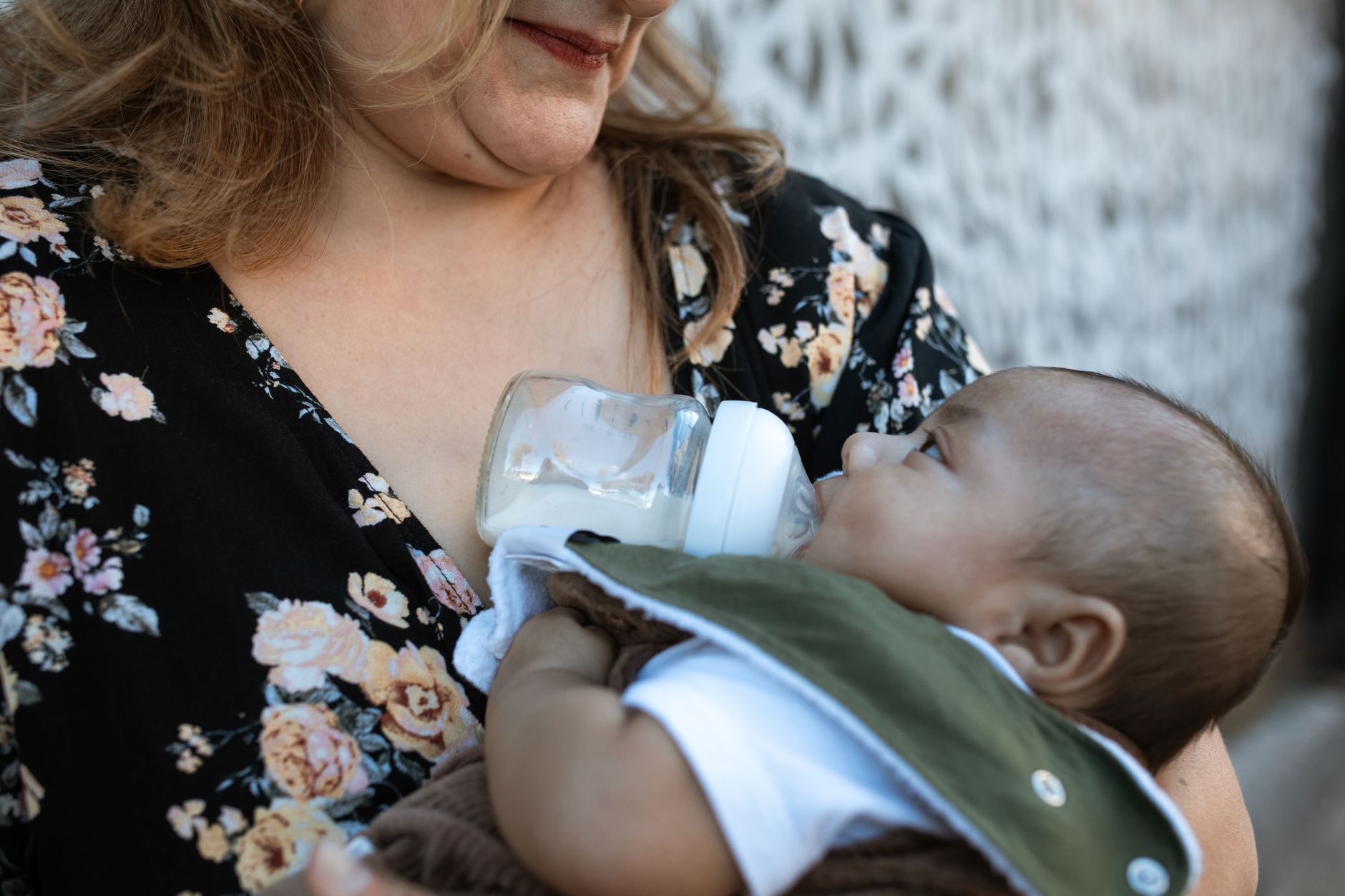
When I was preparing for baby #2, reducing our everyday use of plastic—especially where food and milk were involved—became more important to me. I chose Philips Avent Natural Response Glass Bottles in both the 4-ounce and 9-ounce sizes, and after using them extensively, I plan to save them for baby #3.
Glass bottles are not perfect. They are heavier, they can break (ask me how I know), and they are not always the bottle I would choose beside a pool or over a tile floor. But for everyday use at home, I loved how simple they were to clean, how well they held up, and how they reduced the amount of plastic touching my baby’s milk.
Quick answer: Glass baby bottles can be a great fit if you want a durable, easy-to-clean bottle with less plastic contact. The biggest tradeoffs are weight and breakability. After using Philips Avent Natural Response glass bottles with my second baby, I would choose glass again—but I now keep silicone sleeves and a few silicone bottles around for situations where breaking glass would be a headache.
This post shares general information and my personal experience. It is not medical, feeding, or safety advice. Follow your bottle manufacturer’s instructions and talk with your pediatrician or other qualified professional about feeding questions specific to your baby.
Why I Chose Glass Baby Bottles
My main reason was simple: I wanted to reduce my baby’s exposure to microplastics where it was reasonably easy for our family to do so.
Research has shown that polypropylene infant feeding bottles can release microplastic particles, with factors such as heat and preparation practices affecting release. Researchers are still studying what different levels of microplastic exposure mean for human health, so I don’t think this needs to become another thing for moms to panic about. For me, glass was simply a practical way to reduce plastic contact with milk without making feeding more complicated.
Additional Resources: peer-reviewed research on microplastic release from polypropylene infant feeding bottles (Li D, Shi Y, Yang L, Xiao L, Kehoe DK, Gun’ko YK, Boland JJ, Wang JJ. Microplastic release from the degradation of polypropylene feeding bottles during infant formula preparation. Nat Food. 2020 Nov;1(11):746-754. doi: 10.1038/s43016-020-00171-y. Epub 2020 Oct 19. PMID: 37128027.)
And that distinction matters: I am not saying plastic baby bottles are automatically unsafe or that every family needs to replace them. I am sharing why I personally preferred glass when I had the choice.

The Benefits of Glass Baby Bottles
1. Less Plastic Touching the Milk
This was the biggest benefit for me. The body of a glass bottle gives you a non-plastic container for storing and feeding milk. Bottle systems may still contain plastic, silicone, or other materials in nipples, collars, valves, lids, or accessories, so glass does not necessarily mean a completely plastic-free feeding setup.
2. Mine Have Been Incredibly Easy to Clean
This is one of those benefits I appreciated more after actually living with the bottles. Mine have never held onto a milk smell, become cloudy, or developed the scratched-up appearance that can happen with some plastic items over time.
I regularly put my Avent glass bottles in the refrigerator and dishwasher, and they have held up beautifully for us.
They were also a fantastic fit for my Baby Brezza Bottle Washer Pro. If you are pumping or washing bottles constantly, being able to load everything into a system that washes, sterilizes, and dries can take a surprising amount of repetitive work off your plate.
RELATED: See exactly which pump parts I’ve personally tested in the Baby Brezza Bottle Washer Pro.

3. They Still Look Great After Heavy Use
After all of the refrigerator cycles, dishwasher cycles, bottle washing, and daily handling, my glass bottles still don’t look cloudy or scratched. That longevity is one reason the higher upfront price feels more reasonable to me.
I’m keeping mine for baby #3. If they remain in good condition and the manufacturer components are appropriate to reuse, getting multiple babies out of the glass bottle bodies makes the initial investment easier for me to justify.
4. Glass Doesn’t Hold Onto Odors in My Experience
Milk smells are not something I want lingering in a bottle. With my Avent glass bottles, cleaning has been refreshingly straightforward: wash them, dry them, and they smell clean. No lingering milk odor has been an issue for us.
The Cons of Glass Baby Bottles
I love glass bottles, but I definitely don’t want to pretend there are no downsides.
1. Yes, They Can Break
I have broken two.
Both times we were out of the house and my daughter dropped a bottle—once onto tile and once onto concrete. That was enough to convince me that if I’m going to be over a hard surface, I want a silicone bottle sleeve on the bottle.
A sleeve doesn’t make glass unbreakable, so I still handle glass with that possibility in mind. But it’s an easy extra layer of protection that I personally like when we’re away from home or around tile and other hard floors.
If I was somewhere I really did not want to deal with broken glass—like beside a pool—I brought Comotomo Silicone Baby Bottles as a backup instead. You do not have to make feeding an all-or-nothing glass-versus-plastic decision. A mixed setup worked really well for us.

2. They Are Noticeably Heavier
You feel the difference as soon as you pick up a full glass bottle. My daughter could hold hers, but the extra weight is something to consider—especially because a glass bottle landing on a baby’s face or body can hurt more than a lightweight bottle.
I would consider your baby’s stage, how you feed, and where you usually use bottles rather than assuming glass will be the most convenient choice in every situation.
3. Pumping Directly Into Glass Wasn’t Very Mobile
I did attach my 4-ounce Avent glass bottles to my BabyBuddha 2.0 Breast Pump setup. It worked—but those bottles were heavy.
I basically needed to sit and/or support them with my hands, which took away one of the things I value most about a portable pump: being able to move around. If you’re planning to sit through your pump session anyway, you may not mind this at all. For me, it made direct-to-glass pumping less practical.
RELATED: Read my full BabyBuddha 2.0 review after using it throughout a year of pumping.
4. They Cost More Up Front
Glass bottles generally require more money up front than basic plastic bottles, especially once you add sleeves or buy multiple sizes. Whether that is worth it depends on your budget and priorities.
For me, the durability helps offset that. Mine still look great, and I’m planning to store them for our next baby. I only wish I had bought them for baby #1 so I could have gotten even more use from them.
Pinterest: Save This Glass Bottle Guide

📌 SHARE THIS PIN: Use the Pinterest sharing button directly below this image to save this guide for later.
Are Philips Avent Glass Bottles Worth It?
For our family, yes. Philips Avent Natural Response Glass Bottles are the bottles I would buy again.
- Best for: families who want a reusable glass bottle, easy cleaning, and less plastic contact with milk.
- What I loved: no lingering smells, no cloudiness or scratches in my experience, dishwasher-friendly for our routine, and an excellent fit in my Baby Brezza Bottle Washer.
- What I’d change: I would buy silicone sleeves from the beginning and use them whenever we’re over hard surfaces.
- Not ideal if: you want the lightest possible bottle, frequently pump directly into bottles while moving around, or regularly use bottles in places where broken glass would be especially problematic.
Amazon affiliate link: I may earn a commission from qualifying purchases at no additional cost to you.
Other High-Quality Glass Baby Bottles to Consider
I have personally used Philips Avent Natural Response glass bottles, so those are the bottles I can speak to from long-term experience. The options below are alternatives to research if Avent isn’t the right fit for your baby or feeding setup. I have not personally tested these bottles.
Important shopping note: Product materials and manufacturing specifications can change. If avoiding lead or particular materials is important to you, verify the current manufacturer’s materials, testing information, recalls, and care instructions before purchasing rather than relying on an older product listing or review.
Dr. Brown’s Natural Flow Anti-Colic Options+ Glass Bottles
Consider if: you already like the Dr. Brown’s bottle system and want a glass version. Check the current product specifications and component materials directly with the manufacturer before buying.
Evenflo Feeding Classic Glass Bottles
Consider if: you’re looking for a simpler glass bottle option that is often more budget-conscious than premium glass systems. Verify current materials and specifications before purchasing.
Lifefactory Glass Baby Bottles with Silicone Sleeve
Consider if: having a protective silicone sleeve already integrated into the bottle setup appeals to you. I especially like the concept after personally breaking glass bottles on tile and concrete, although I have not tested Lifefactory bottles myself.
My Ideal Glass Bottle Setup
If I were starting over tomorrow, I wouldn’t buy only one bottle material. I’d build a small, flexible setup:
- Philips Avent Natural Response Glass Bottles for everyday use
- Silicone sleeves for outings and hard floors
- A couple of Comotomo Silicone Bottles for places like pools where I really don’t want glass
- The Baby Brezza Bottle Washer Pro to make the constant washing easier
That gives me the benefits I like about glass without pretending glass is the perfect material for every single situation.
If you’re building your baby feeding setup from scratch, you may also like my Amazon baby registry guide. It’s designed to help you think through what you’ll actually use rather than simply adding every baby product you see.
Pinterest: Glass Bottle Tips I Wish I Knew

📌 SHARE THIS PIN: Use the Pinterest sharing button directly below this image to save these tips.
Glass Baby Bottle FAQs
Do glass baby bottles break easily?
They can break when dropped onto hard surfaces. I broke two Avent glass bottles while we were out—one on tile and one on concrete. I now recommend considering a silicone sleeve when using glass bottles over hard surfaces. A sleeve does not make glass unbreakable.
Are glass baby bottles heavy?
Yes, noticeably heavier than lightweight bottle materials, especially once filled. My daughter could hold hers, but weight is still worth considering for independent bottle holding and for pumping directly into a bottle.
Can you pump directly into Philips Avent glass bottles?
I personally pumped into the 4-ounce Avent glass bottles with my BabyBuddha 2.0 setup. It worked, but I found the glass bottles heavy enough that I needed to sit and support them, which limited my mobility. Compatibility can vary by pump setup, so check your pump and bottle manufacturer’s instructions.
Do glass baby bottles smell?
Mine have not held onto milk odors. My Avent glass bottles have remained easy to clean without the cloudiness, scratching, or lingering smells I was trying to avoid.
Do glass bottles eliminate all plastic contact?
Not necessarily. Even when the bottle body is glass, nipples, collars, caps, valves, and other components may use silicone, plastic, or other materials. Check the current manufacturer’s specifications if particular materials are important to you.
Would I Buy Glass Baby Bottles Again?
Absolutely. I wish I had bought them for my first baby.
For me, the combination of easy cleaning, no lingering smells, long-term durability, and reducing plastic contact with milk made glass worth the extra cost and weight. I just wouldn’t leave the house without thinking about the surface underneath us anymore.
At home? Glass is still my first choice. On concrete, tile, or beside a pool? That’s where sleeves and my backup silicone bottles earn their spot in the diaper bag.
Your Next Read
- What Pump Parts Fit in the Baby Brezza Bottle Washer? — see all of the pump parts I’ve personally tested.
- My BabyBuddha 2.0 Review — my experience with the portable pump I used with these 4-ounce glass bottles.
- Breastfeeding & Pumping for One Year: My Complete Real-Mom Guide — start here for my broader pumping experience.
- How I Built a 700+ Ounce Breast Milk Stash — my personal pumping and milk-storage experience.
- The Ultimate Amazon Baby Registry Guide — more baby gear and registry ideas.
- Easy Low/No-Tox Swaps – other simple, gentler swaps to make today.
Leave a Reply