
Educational information only. This post shares general wellness information and personal experience; it is not medical advice and is not a substitute for care from a qualified healthcare professional. Talk with your clinician before changing your diet, supplements, medications, exercise, or personal-care routine, especially if you are trying to conceive, pregnant, postpartum, breastfeeding, managing a health condition, or receiving fertility treatment. Foods, products, routines, and digital guides discussed here are not intended to diagnose, treat, cure, or prevent infertility or any disease, and they cannot guarantee conception, pregnancy, or a particular health outcome. Individual needs and results vary.
A gentle, sustainable approach to preparing your body, mind, and home
When you’re trying to conceive, pregnant, or adjusting to motherhood, it’s easy to feel like everything hinges on doing things perfectly. Perfect supplements. Perfect routines. Perfect productivity.
But the truth is: your body doesn’t need perfection, it needs support.
Supportive daily rhythms are not rigid schedules or aesthetic routines. They are small, repeatable habits that reduce decision fatigue, regulate your nervous system, and may make daily life feel more predictable and manageable.
This post is part of the Realign Your Habits pillar of the MillenniMama Pregnancy Prep Method, and it’s designed to help you build rhythms that work with your real life, not against it.
This post contains affiliate links. If you buy through one of these links, I may earn a commission at no additional cost to you. As an Amazon Associate, I earn from qualifying purchases.
This is part of my Pregnancy Prep Hub, where I organize gentle, research-informed guidance to help you prepare for pregnancy calmly and intentionally.

What Are “Supportive Daily Rhythms”
A daily rhythm is different from a schedule.
A schedule says:
“Do this at 6:00am, this at 7:00am, and don’t mess it up.”
A rhythm says:
“When this happens, I gently move into the next supportive action.”
Supportive rhythms:
- Are flexible and forgiving
- Reduce stress instead of adding pressure
- Adapt across TTC, pregnancy, and postpartum
- Anchor your day around care, not control
This matters because stress and cognitive overload can affect well-being; this post does not claim that a routine changes fertility hormones or conception odds, sleep quality, digestion, and emotional regulation, all of which are foundational to supporting fertility and pregnancy health.
Why Daily Rhythms Matter for TTC and Pregnancy
Many people find predictable routines easier to sustain than intense routines, especially when it comes to habits for TTC and pregnancy.
Consistent cues (light, food timing, movement, rest) from supportive daily rhythms help regulate:
- Cortisol and blood sugar
- Sleep–wake cycles
- Appetite and digestion
- Emotional resilience
When these systems feel supported, everything else becomes easier from cycle awareness, energy levels, to patience, and even motivation.
This is why habit realignment is a core pillar inside the MillenniMama Pregnancy Prep Method rather than a “nice-to-have.”
A Gentle Framework for Building Your Daily Rhythm
Instead of trying to overhaul your life, start with anchors, small habits that naturally cue the next one.
1. Morning: Signal Safety, Not Productivity
Your morning sets the tone for your nervous system.
Supportive ideas:
- Step outside for 2–5 minutes of natural light
- Drink water before caffeine
- Stretch or walk without tracking metrics
Helpful tools (optional):
- A soft-glow sunrise alarm clock (gentler than harsh alarms)
- An insulated glass water bottle to encourage hydration
- A walking pad for low-impact movement on days when going to the gym feels like too much
These tools don’t replace habits, they remove friction, which is the real win.
2. Midday: Reduce Decision Fatigue
By midday, we can feel overwhelmed, not because we’re doing too much, but because we’re already making too many decisions.
Supportive rhythms might include:
- Rotating simple lunches instead of daily planning
- A 5-minute reset (breathing, sunlight, or quiet)
- A consistent “stop point” before overstimulation sets in
This is where habit systems matter more than motivation.
If you’ve ever felt like “I know what I should do, I just can’t keep up with it”, this is a sign your habits need structure without rigidity.
3. Evening: Create a Clear “Downshift”
Your body needs a clear signal that it’s safe to rest.
Supportive evening rhythms:
- Dim lights after dinner
- A consistent wind-down cue (tea, shower, skincare, journaling)
- Screens off earlier than you think is necessary
This is especially important for:
- General well-being while TTC
- Sleep quality during pregnancy
- Emotional regulation postpartum
A predictable evening routine may support consistent sleep habits, although results vary—even without changing bedtime.
How Supportive Rhythms Change Across Seasons
The MillenniMama guides are educational planning tools, not medical services or individualized treatment plans. Purchasing or using a guide does not guarantee conception, pregnancy, or any health outcome.
One of the biggest mindset shifts I encourage is this:
Your rhythm should change as your season changes.
What works during TTC may not work in the first trimester.
What works during pregnancy may not work postpartum.
This is why I don’t believe in one-size-fits-all routines.
Inside my Pregnancy Prep Guides on Etsy, I help you:
- Adjust habits by season (TTC, pregnancy, postpartum)
- Focus on what actually matters right now
- Avoid burnout from “trying to do everything right”
These guides are meant to hold the structure for you so your brain doesn’t have to.
Common Mistakes That Disrupt Motherhood Daily Rythms
If you’ve struggled to stick with habits, it’s rarely a discipline issue.
Common blockers include:
- Overloading mornings with “shoulds”
- Treating habits as moral obligations
- Restarting from scratch after a hard day
- Following routines designed for someone else’s life
Supportive rhythms are built for consistency, not intensity.
How This Fits Into the MillenniMama Pregnancy Prep Method
Supportive daily rhythms live inside the Realign Your Habits pillar because habits quietly shape:
- Stress levels
- Hormone health
- Emotional resilience
- Capacity for motherhood
If you haven’t yet, I recommend starting with the Pregnancy Prep Hub, where all pillars are connected in one place and you can move at your own pace to create meaningful pregnancy prep habits.
You may also find it helpful to explore:
- My TTC daily habits post
- Fertility-friendly grocery rhythms
- TTC Self-Care When You Only Have a Few Minutes
Each piece is designed to layer support, not overwhelm habits for TTC and pregnancy.
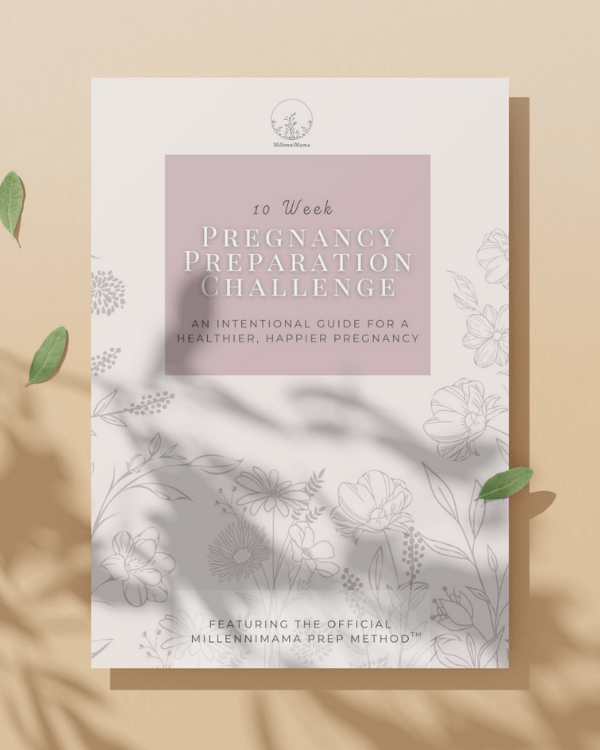
MillenniMama Prep Method™
10 Week Pregnancy Preparation Challenge
An intentional, step-by-step guide to help you feel calmer, more prepared, and supported before your first positive test.
- Weekly focus + simple actions
- Mindset, routines, and practical prep
- Made for busy, real-life women
Instant digital download.
Want to See the Full Pregnancy Prep Framework?
This post is part of my Pregnancy Prep Hub—a calm, organized space where I walk you through gentle preparation for your mind, body, home, and heart before pregnancy begins.
👉 Visit the Pregnancy Prep Hub
You Don’t Need a Perfect Routine, You Need a Kind One
If you take nothing else from this post, remember this:
Supportive rhythms are not about doing more.
They’re about making life feel lighter.
Whether you’re trying to conceive, already pregnant, or deep in motherhood, your motherhood daily rhythms should serve you, not the other way around.
If you want help building habits that feel steady, doable, and aligned with your current season, my Pregnancy Prep resources are designed to guide you step by step without pressure.

You May Also Love
- The Pregnancy Prep Hub: How all the pillars work together
- Letting Go of “Doing Everything Right” While TTC
- Daily Habits That Support Hormone Balance NaturallyLow-Tox Lifestyle Swaps for Pregnancy Prep
- Low Tox Swaps Perfect for TTC and Pregnancy
Read These Next
Want a calmer way to organize your next steps? Start with the free Pregnancy Prep Hub for general planning resources, or preview the paid 10 Week Pregnancy Prep Guide if you want worksheets and a week-by-week structure. Neither resource provides medical care or guarantees an outcome.

Leave a Reply